
Home / All / Blister Packaging Machine / Blister Packaging Machine for Condom Packing Machine Manufacturer
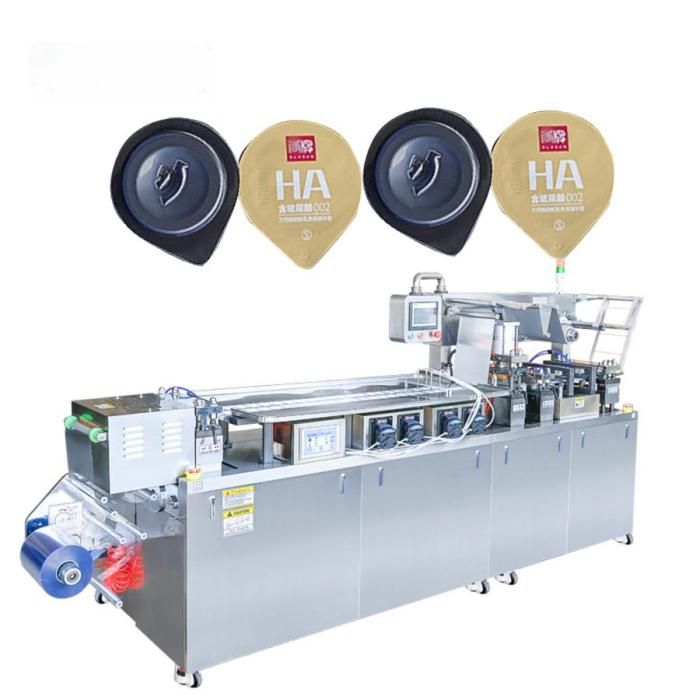



Blister Packaging Machine for Condom Packing Machine Manufacturer
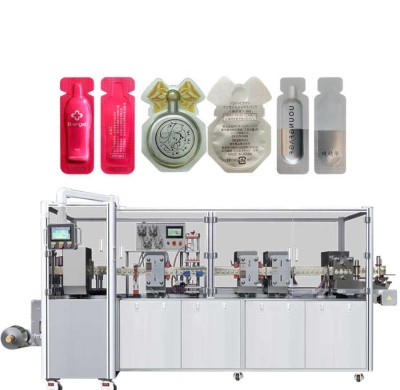
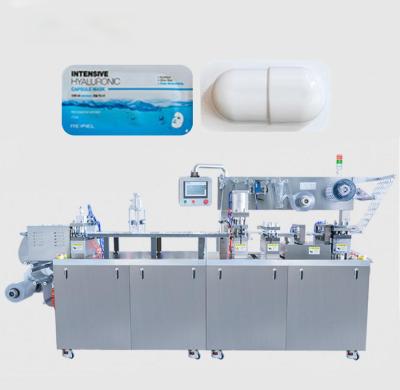
Blister Packaging Machine Manufacturer can pack liquid,granule and paste, we also can provide different packaging solutions for different industries
| Share | |
|---|---|
| Categories | Blister Packaging Machine |
| Trademark/Brand | fame machinery packaging machines manufacturer |
| Model | FM015 |
| Packaging products | medicine |
| PVC specification | 0.15-0.5×250 |
| Machine power | 6.2Kw |
| Packaging speed | 3.5-23 ten thousand pieces/hour |
| FOB port | Guangzhou/Shenzhen |
| Terms of Payment | Western Union, MoneyGram, T/T, Paypal |
| Update Time | Dec 12,2025 |
Detail Information
Introduction of Blister Packaging Machine for Condom
There are some features for the blister packaging machine below:
Blister packaging machines are widely used automated packaging equipment in the pharmaceutical, food, and daily chemical industries. They are primarily used to seal products (such as tablets, capsules, candies, and small items) between plastic blister packs and a base plate (usually aluminum foil or composite film). Their advantages are mainly reflected in the following aspects:
1. High-efficiency production and high degree of automation:
High-speed operation: Modern blister packaging machines can produce hundreds to thousands of blister packs per minute, suitable for large-scale batch production.
Continuous operation: Automated feeding, forming, filling, sealing, and cutting processes are completed in one integrated process, reducing manual intervention and improving efficiency.
Connectable to production lines: Easily connected to subsequent equipment such as cartoning machines and case packing machines to achieve fully automated assembly line operation.
2. Strong product protection:
Good sealing: The inside of the blister pack is usually filled with an inert gas (such as nitrogen) to prevent moisture and oxidation, extending the product's shelf life (especially crucial for pharmaceuticals and food).
Physical protection: Each product is independently separated within the blister pack, avoiding collisions, friction, or contamination during transportation.
Strong Barrier Properties:Materials like aluminum foil effectively block light, moisture, and oxygen, making them suitable for products sensitive to storage conditions.
3. Ease of Use and User Experience:
Portable and easy to handle: Blister packs are lightweight and portable, and each product can be individually pressed out (like "blister" tablet packaging), facilitating accurate dosage.
Clear Dosage: Particularly suitable for dispensing medications by tablet/capsule, preventing incorrect or missed doses.
Child-Safe Design: Some blister packs require tearing or firm pressing to remove, reducing the risk of accidental ingestion by children.
4. Information Labeling and Anti-counterfeiting Traceability:
Flexible printing: Product name, batch number, expiration date, and instructions for use can be printed directly on the aluminum foil or base plate.
Strong Traceability: Combined with laser coding or inkjet printing technology, each blister pack has a unique code, facilitating quality tracking and anti-counterfeiting.
5. Cost-Effectiveness and Environmental Friendliness:
Controllable material costs: Blister packaging is typically lighter than glass or plastic bottles, saving on packaging materials and transportation costs.
Reduced Waste: High precision automated filling reduces product loss; some materials (such as aluminum and plastic) are recyclable.
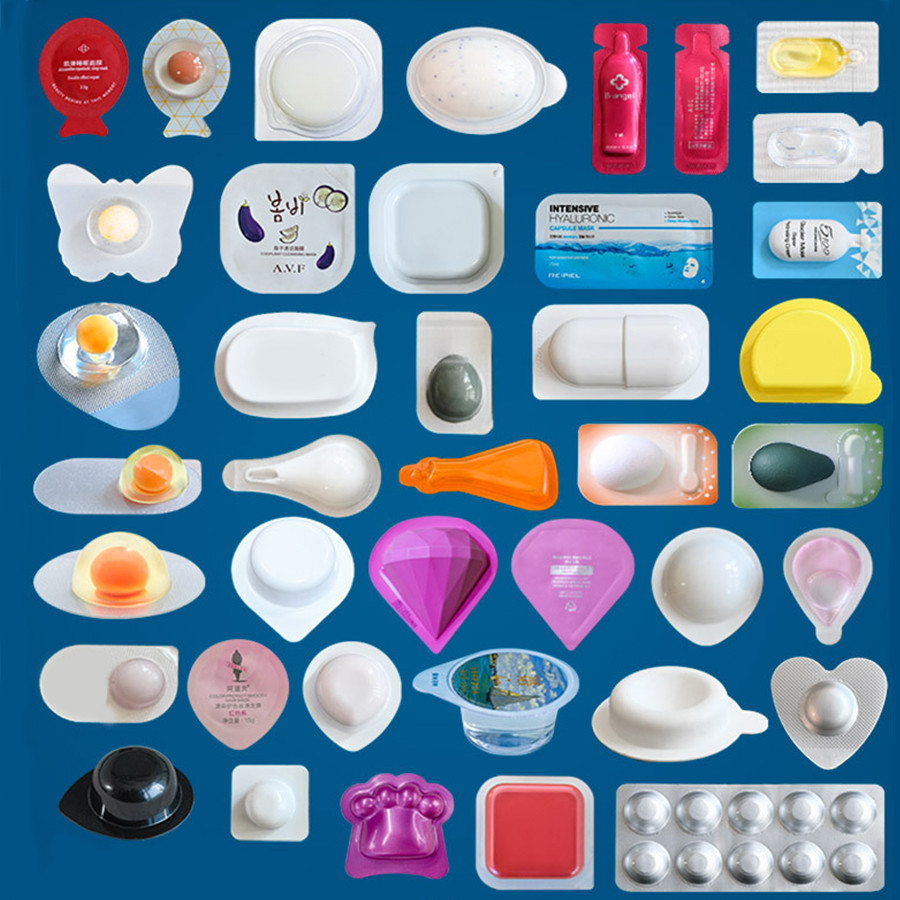
Adaptable to Multiple Sizes: By changing molds, the same machine can package products of different sizes and shapes, offering high flexibility.
6. Compliant with Industry Standards
Pharmaceutical GMP Compliance: Blister packaging machines are easy to clean and sterilize, and their design complies with Good Manufacturing Practices (GMP) requirements, reducing the risk of contamination.
Food/Medical Device Standards: Meets both food safety (HACCP) and medical device packaging sterility and sealing standards.
7. Flexibility and Adaptability
Diverse Materials: Applicable to various molding and sealing materials such as PVC, PVDC, aluminum foil, and composite films.
Wide Product Compatibility: Can package not only solids (tablets, capsules) but also special forms such as ointments and liquid sachets.
Easy Size Adjustment: Quickly switch product packaging sizes by changing molds or adjusting machine parameters.
Application Examples
Pharmaceutical Industry: Western medicine tablets, capsules, traditional Chinese medicine pills, etc.
Food industry: Candy, chocolate, chewing gum, snacks, etc.
Daily chemical products: Cosmetic capsules, soap sheets, band-aids, etc.
Small electronic components: Button batteries, small electronic components, etc.
Limitations of Blister Packaging Machine for Condom
1. High Initial Investment and Maintenance Costs
Expensive Equipment: High-performance blister packaging machines (especially those for demanding industries like pharmaceuticals) have high purchase costs, potentially putting financial strain on small and medium-sized enterprises.
Complex Maintenance: The equipment has a sophisticated structure requiring regular professional maintenance. Replacing consumable parts such as molds and heat-sealing components also increases long-term operating costs.
2. Limited Flexibility
High Dependence on Molds: Changing product specifications (e.g., tablet shape, size) typically requires mold replacement, which is time-consuming and costly, making it difficult to quickly adapt to multi-variety, small-batch production.
Limitations on Packaging Materials: Primarily suited to specific types of blister foil (PVC/PVDC/aluminum foil, etc.), its adaptability to new environmentally friendly materials (such as biodegradable materials) may be insufficient, and parameter adjustments are required when switching materials.
3. Production Efficiency and Energy Consumption
Speed and Size Related: Packaging speed is affected by product size and blister shape; complex shapes may reduce production efficiency.
High Energy Consumption: The heating, sealing, and forming processes continuously consume electricity, especially at high speeds.
4. Technical Limitations
Poor adaptability to special products: Irregularly shaped, fragile, or temperature and humidity-sensitive products may require customized designs, increasing technical complexity.
Sealing and quality control: Improper parameter control during the heat sealing process (such as temperature and pressure) can easily lead to problems such as incomplete sealing and blister pack breakage, affecting product shelf life.
5. Space and Operational Requirements
Large footprint: Integrated production lines (such as those connected to cartoning machines and checkweighing equipment) require significant factory space.
High level of operational expertise: Training of professional personnel for operation and debugging is required; troubleshooting automated systems (such as PLC control) also requires technical support.
6. Environmental and Sustainability Challenges
Material waste: Scrap materials and material losses during trial runs are unavoidable, especially given the difficulty of recycling aluminum-plastic packaging, increasing environmental pressure.
Noise and heat dissipation: High-speed operation may generate noise and heat, requiring additional measures to improve the working environment.
7. Industry-Specific Restrictions
Pharmaceutical industry: Requires compliance with GMP standards; cleaning and validation processes are complex; equipment upgrades or modifications require re-validation.
Food industry: High hygiene requirements exist, and blind spots in equipment cleaning may increase the risk of contamination.
Please send your message to us
- Mobile Phone
- *Title
- *Content