
Home / All / Blister Packaging Machine / Blister Packing Machine for Medicine Packing Machine Manufacturer
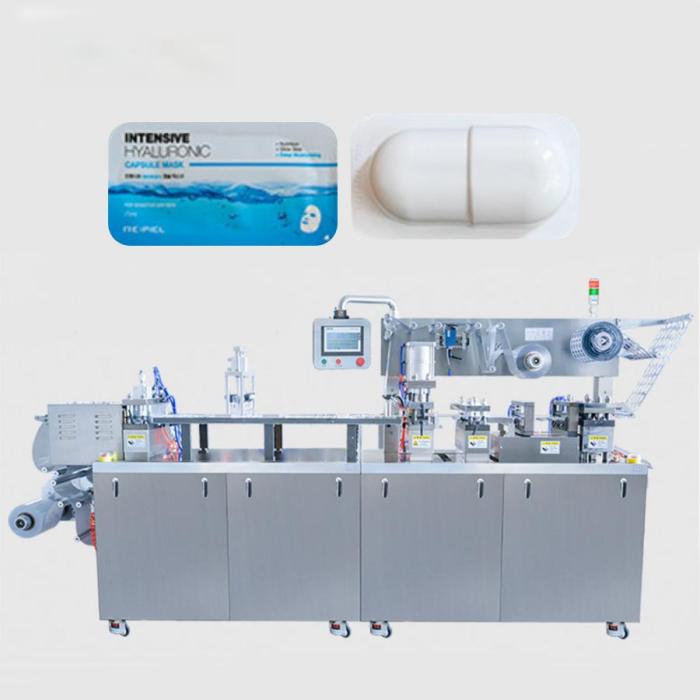


Blister Packing Machine for Medicine Packing Machine Manufacturer
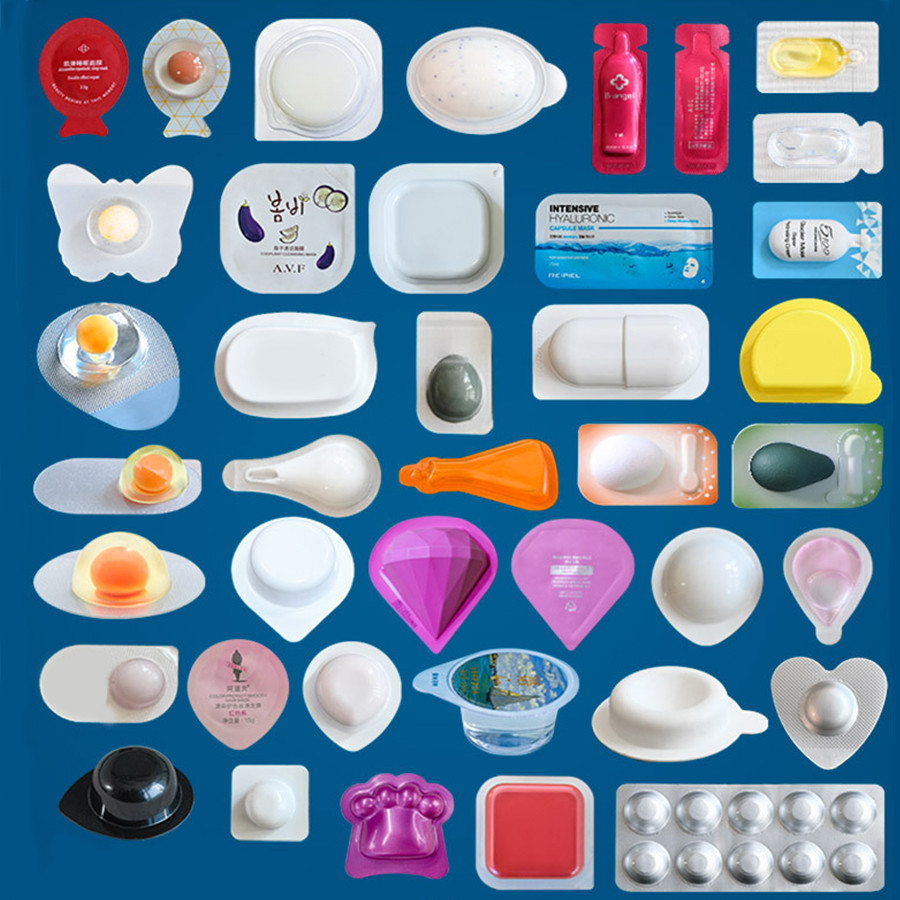
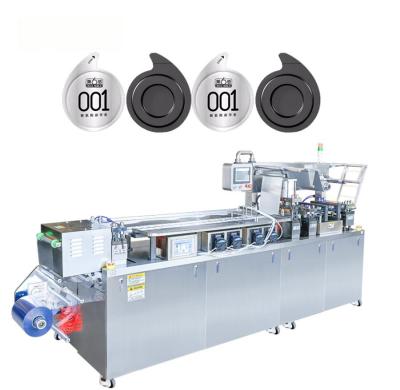
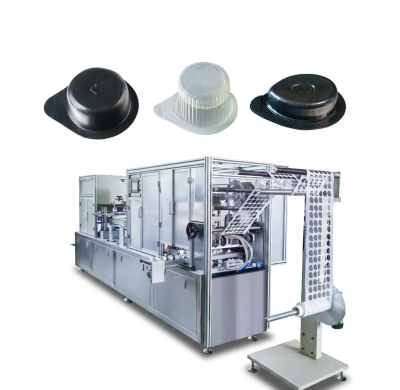
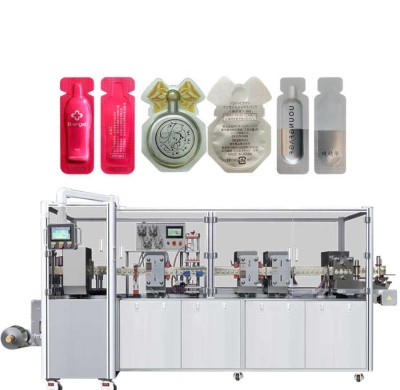
Blister Packing Machine Manufacturer can pack liquid,granule and paste, we also can provide different packaging solutions for different industries
Detail Information
Introduction of Blister Packing Machine for Medicine
There are some features for the blister packing machine below:
I. Core Technology and Working Principle Characteristics
Integrated Molding-Filling-Sealing: This is its most fundamental feature. Multiple key processes are completed continuously on a single machine:
Molding: Rigid plastic sheets (PVC, PVDC, PP, etc.) are heated and softened, then formed into blister packs of uniform size and shape in a mold using positive pressure (blow molding) or negative pressure (vacuum forming).
Filling: Tablets, capsules, and other products are automatically (using a counting plate or vibrating hopper) or manually (for irregularly shaped or fragile items) filled into the blister packs.
Heat Sealing: Aluminum foil (PTFE) coated with heat-sealing adhesive is placed over the blister packs, and under heat and pressure, it is tightly sealed to the plastic sheet base, forming a sealed, independent unit.
Cutting: The continuous blister packs are cut into specified shapes (e.g., rows and columns).
II. Technical Performance Characteristics
High Speed and High Efficiency: Modern high-speed blister machines can reach speeds of 300 packs or more per minute. Continuous operation and automatic control significantly improve production efficiency.
High Precision and Stability:
Forming Precision: Consistent blister depth and shape ensure undamaged medications during transport.
Filling Precision: Accurate counting with minimal missing or extra blister packs.
Heat Seal Strength: Uniform and secure seal ensures moisture-proof, light-proof, and airtight protection for the medications.
Flexibility (Easy Changeover):
By changing molds (forming mold, heat sealing mold, punching mold) and adjusting some mechanisms, it can adapt to the size, shape, and plate requirements of different medications.
Adjustable parameters such as temperature (heating, heat sealing), pressure, and operating speed adapt to different packaging materials.
High Automation and Intelligence:
Automatic Detection and Rejection: Equipped with multiple online detection systems (such as visual inspection, metal detection, missing blister detection, heat seal integrity detection, etc.) to automatically reject defective products.
Human-Machine Interface: PLC and touch screen control provide intuitive and convenient parameter setting, operation, and fault diagnosis.
Data Recording and Traceability: Complies with GMP requirements, recording production batch number, expiration date, production data, etc., for easy tracking.
III. Quality Control and Safety Assurance Features
Superior Packaging Protection:
Unitization: Each medication is individually sealed to prevent cross-contamination.
Barrier Properties: Suitable plastic sheets and aluminum foil effectively prevent moisture, oxygen, and light exposure, extending the shelf life of the medication.
Physical Protection: Blister packs provide cushioning to prevent damage from compression during transport.
Medication Safety and Convenience:
Clear Product Information: The medication name, specifications, batch number, and expiration date can be clearly printed on the aluminum foil.
Easy Access: A patient-friendly push-through design facilitates medication dispensing.
Dosage Instructions: Date or time markings on the blister packs help patients take their medication on time.
IV. Compliance with Pharmaceutical Manufacturing Standards
GMP Compliance:
Materials: Parts of the equipment that come into contact with medication are made of easy-to-clean, corrosion-resistant, and non-reactive materials such as stainless steel.
Design: Smooth, corner-free structure for thorough cleaning and to prevent contamination. Modular design facilitates maintenance and replacement.
Anti-cross-contamination: Features excellent sealing and dust control capabilities (e.g., equipped with a dust collection device).
Energy saving and environmental protection:
Modern models emphasize energy-saving design (e.g., localized heating, high-efficiency servo motors).
Scrap materials generated are easily collected and recycled.
V. Differences in Characteristics Between Different Types
Roller Type vs. Flat Type:
Roller Type: Forming and heat-sealing dies are made of round rollers, resulting in smooth operation, high speed, and low noise, suitable for large-scale production of standard tablets.
Flat Type: Forming and heat-sealing dies are made of flat plates, resulting in greater forming depth, more precise blister shape, and convenient mold changing, suitable for large, irregularly shaped products or products with high requirements for blister shape (e.g., medical devices, large capsules), but the speed is generally lower than that of roller type.
Limitations of Blister Packing Machine for Medicine
1. High Initial Investment and Maintenance Costs
Expensive Equipment: High-performance blister packaging machines (especially those for demanding industries like pharmaceuticals) have high purchase costs, potentially putting financial strain on small and medium-sized enterprises.
Complex Maintenance: The equipment has a sophisticated structure requiring regular professional maintenance. Replacing consumable parts such as molds and heat-sealing components also increases long-term operating costs.
2. Limited Flexibility
High Dependence on Molds: Changing product specifications (e.g., tablet shape, size) typically requires mold replacement, which is time-consuming and costly, making it difficult to quickly adapt to multi-variety, small-batch production.
Limitations on Packaging Materials: Primarily suited to specific types of blister foil (PVC/PVDC/aluminum foil, etc.), its adaptability to new environmentally friendly materials (such as biodegradable materials) may be insufficient, and parameter adjustments are required when switching materials.
3. Production Efficiency and Energy Consumption
Speed and Size Related: Packaging speed is affected by product size and blister shape; complex shapes may reduce production efficiency.
High Energy Consumption: The heating, sealing, and forming processes continuously consume electricity, especially at high speeds.
4. Technical Limitations
Poor adaptability to special products: Irregularly shaped, fragile, or temperature and humidity-sensitive products may require customized designs, increasing technical complexity.
Sealing and quality control: Improper parameter control during the heat sealing process (such as temperature and pressure) can easily lead to problems such as incomplete sealing and blister pack breakage, affecting product shelf life.
5. Space and Operational Requirements
Large footprint: Integrated production lines (such as those connected to cartoning machines and checkweighing equipment) require significant factory space.
High level of operational expertise: Training of professional personnel for operation and debugging is required; troubleshooting automated systems (such as PLC control) also requires technical support.
6. Environmental and Sustainability Challenges
Material waste: Scrap materials and material losses during trial runs are unavoidable, especially given the difficulty of recycling aluminum-plastic packaging, increasing environmental pressure.
Noise and heat dissipation: High-speed operation may generate noise and heat, requiring additional measures to improve the working environment.
7. Industry-Specific Restrictions
Pharmaceutical industry: Requires compliance with GMP standards; cleaning and validation processes are complex; equipment upgrades or modifications require re-validation.
Food industry: High hygiene requirements exist, and blind spots in equipment cleaning may increase the risk of contamination.
Please send your message to us
- Phone
- *Title
- *Content