
Home / All / Blister Packaging Machine / Blister Pack Machine for Cosmetics Packing Machine Manufacturer
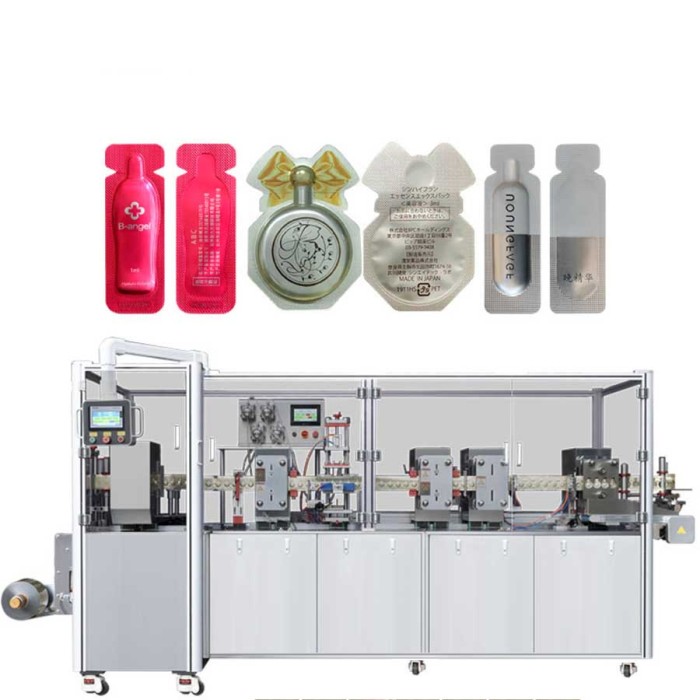


Blister Pack Machine for Cosmetics Packing Machine Manufacturer
Blister Pack Machine Manufacturer can pack liquid,granule and paste, we also can provide different packaging solutions for different industries
Detail Information
Introduction of Blister Pack Machine for Cosmetics
There are some features for the blister pack machine below:
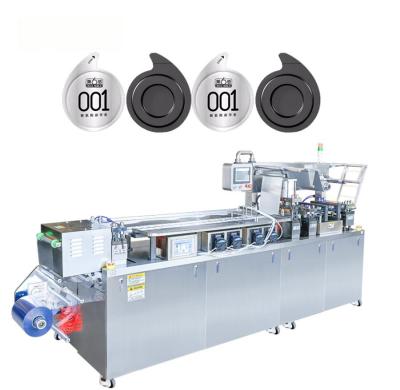
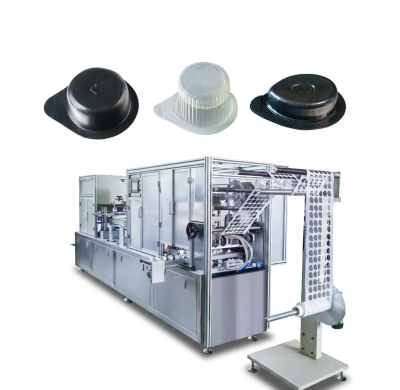
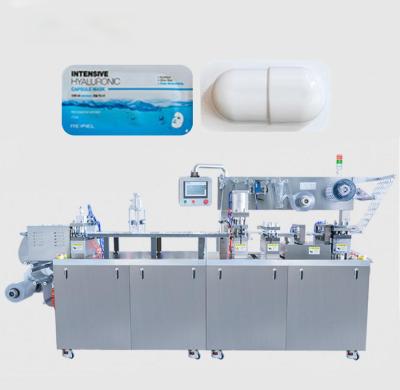
blister packaging machine is an automated device used to seal cosmetic units such as creams, masks, lipsticks, and powder compacts within "bubbles" formed by rigid plastic sheets (blister packs) and aluminum foil (back sealing material). It is widely used in the cosmetics industry and has significant characteristics and advantages.
The following is a detailed description of its main features:
I. Core Process Features
3D Forming and Precise Filling:
Blister Forming: Through heating and using molds (usually aluminum molds), rigid plastic sheets such as PVC, PET, and PP are vacuum-formed or stamped into grooves that perfectly match the shape of the product, resulting in high fit and a strong three-dimensional product display.
Precise Metering and Filling: Equipped with high-precision metering pumps (such as peristaltic pumps or gear pumps) or screw fillers, it can accurately fill creams, lotions, gels, etc., of different viscosities, ensuring consistent product weight/volume within each blister pack.
High-Efficiency Sealing and Protection:
Heat Sealing Technology: The aluminum foil (or other composite materials) covering the molded rigid plastic sheet is sealed under heat and pressure. The sealing line is clear and secure, ensuring complete isolation of the product from air, moisture, and bacteria, extending its shelf life.
Excellent airtightness: Particularly suitable for high-end cosmetics that are easily oxidized, highly volatile, or have extremely high hygiene requirements (such as ampoule serums and single-use products).
II. Production and Efficiency Features
High Automation and High Efficiency:
From sheet feeding, heating, forming, filling, sealing, coding to die-cutting, the entire process is automated and continuous, with high operating speeds (common speeds range from tens to hundreds of bubbles per minute), significantly improving production efficiency and reducing labor costs and intensity.
High Flexibility:
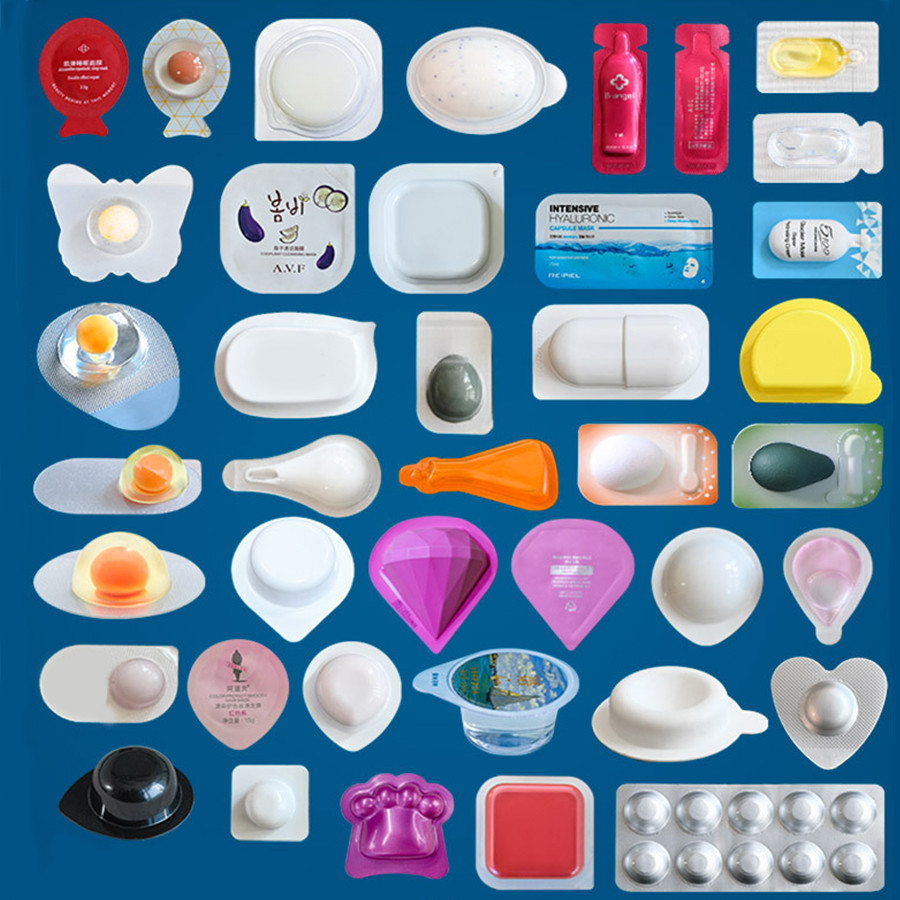
Mold Changeover: By changing the forming and die-cutting molds, it can quickly adapt to product packaging of different shapes and sizes (such as round face masks, square powder compacts, and irregularly shaped lipstick refills).
Strong Material Adaptability: Compatible with various types of plastic sheets and laminated materials, meeting the needs of different visual effects such as transparent, colored, aluminized, and matte finishes.
Multi-functional Integration: Easily integrates subsequent processes such as coding (production date, batch number), visual inspection, tray filling, and bagging.
III. Packaging Effect and Market Advantages
Superior Display and Aesthetics:
The "what you see is what you get" visual presentation makes the product clearly visible, enhancing display appeal.
The blister pack's highly flexible design allows for highlighting product design and enhancing the brand's premium image.
Convenience and Hygiene:
Consumers can easily tear or press to dispense the product, ensuring clear single-use dosage, convenience, and hygiene, avoiding secondary contamination, and aligning with modern consumer habits.
Equivalent to samples, travel-sized products, or single-use packaging (e.g., single-use face masks, single-use serums).
IV. Economic and Environmental Features
High Material Utilization and Controllable Costs:
Using roll-type sheets, continuously formed and cut on a machine, minimizes waste and achieves higher material utilization than pre-made plastic shells.
Compared to injection-molded bottles and cans, blister packaging typically has lower mold costs and shorter production cycles.
Lightweight and Environmentally Friendly Trends:
Blister packaging is lightweight, reducing transportation costs.
With the development of recyclable plastic sheets (such as rPET and PP) and single-material structures, blister packaging has room for improvement in sustainable packaging, aligning with industry environmental trends.
V. New Features of Technological Development (High-End Models)
Intelligentization and Stability:
PLC and Touch Screen Control: Intelligent parameter setting and operation monitoring, clear fault diagnosis prompts.
High Stability and Low Loss: Precision mechanical design and high-quality components ensure long-term continuous and stable operation with a low scrap rate.
Clean and Safe Design: Utilizes easy-to-clean materials such as stainless steel, meeting GMP requirements; equipped with a safety guard and emergency stop device.
Limitations of Blister Pack Machine for Cosmetics
1. High Initial Investment and Maintenance Costs
Expensive Equipment: High-performance blister packaging machines (especially those for demanding industries like pharmaceuticals) have high purchase costs, potentially putting financial strain on small and medium-sized enterprises.
Complex Maintenance: The equipment has a sophisticated structure requiring regular professional maintenance. Replacing consumable parts such as molds and heat-sealing components also increases long-term operating costs.
2. Limited Flexibility
High Dependence on Molds: Changing product specifications (e.g., tablet shape, size) typically requires mold replacement, which is time-consuming and costly, making it difficult to quickly adapt to multi-variety, small-batch production.
Limitations on Packaging Materials: Primarily suited to specific types of blister foil (PVC/PVDC/aluminum foil, etc.), its adaptability to new environmentally friendly materials (such as biodegradable materials) may be insufficient, and parameter adjustments are required when switching materials.
3. Production Efficiency and Energy Consumption
Speed and Size Related: Packaging speed is affected by product size and blister shape; complex shapes may reduce production efficiency.
High Energy Consumption: The heating, sealing, and forming processes continuously consume electricity, especially at high speeds.
4. Technical Limitations
Poor adaptability to special products: Irregularly shaped, fragile, or temperature and humidity-sensitive products may require customized designs, increasing technical complexity.
Sealing and quality control: Improper parameter control during the heat sealing process (such as temperature and pressure) can easily lead to problems such as incomplete sealing and blister pack breakage, affecting product shelf life.
5. Space and Operational Requirements
Large footprint: Integrated production lines (such as those connected to cartoning machines and checkweighing equipment) require significant factory space.
High level of operational expertise: Training of professional personnel for operation and debugging is required; troubleshooting automated systems (such as PLC control) also requires technical support.
6. Environmental and Sustainability Challenges
Material waste: Scrap materials and material losses during trial runs are unavoidable, especially given the difficulty of recycling aluminum-plastic packaging, increasing environmental pressure.
Noise and heat dissipation: High-speed operation may generate noise and heat, requiring additional measures to improve the working environment.
7. Industry-Specific Restrictions
Pharmaceutical industry: Requires compliance with GMP standards; cleaning and validation processes are complex; equipment upgrades or modifications require re-validation.
Food industry: High hygiene requirements exist, and blind spots in equipment cleaning may increase the risk of contamination.
Please send your message to us
- Phone
- *Title
- *Content