Home / All / Complete Packaging Line / Custom Packaging Solutions for complete packaging line Food Packaging Solutions Supplier
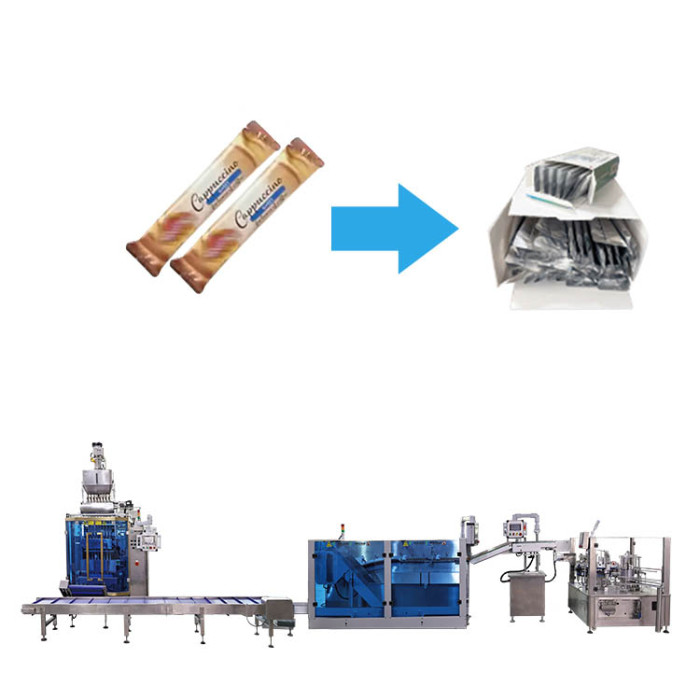
Custom Packaging Solutions for complete packaging line Food Packaging Solutions Supplier
Custom Packaging Solutions for complete packaging line Food Packaging Solutions SupplierCustom Packaging Solutions for complete packaging line Food Packaging Solutions SupplierCustom Packaging Solutions for complete packaging line Food Packaging Solutions SupplierCustom Packaging Solutions for complete packaging line Food Packaging Solutions SupplierCustom Packaging Solutions for complete packaging line Food Packaging Solutions Supplier
Custom Packaging Solutions for complete packaging line Food Packaging Solutions Supplier
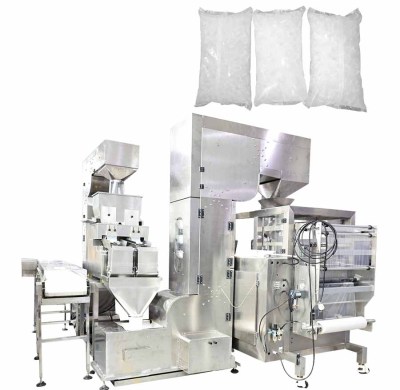
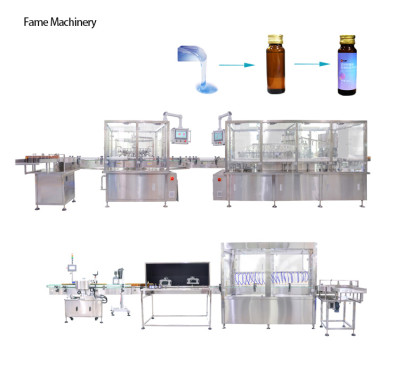
Custom Packaging Solutions manufacturer can suppy different sealing machines and filling machines,paste packaging solution
Share
CategoriesComplete Packaging Line
Trademark/Brandfame machinery packaging machines manufacturer
ModelFM007
Packaging productsLiquid and pastes granule
Filling specification30-1000ML
Hopper size150L(304 stainless steel )
Machine power9Kw
FOB portGuangzhou/Shenzhen
Terms of PaymentWestern Union, MoneyGram, T/T, Paypal
Update TimeDec 8,2025
Detail Information

Introduction of Custom Packaging Solutions For Complete Packaging Line

Custom packaging solutions for complete production lines offer numerous significant advantages, meeting the high demands of modern manufacturing for flexibility, efficiency, cost control, and market responsiveness. Below is a detailed analysis of their main advantages:

1. High Flexibility and Customization Capabilities

Adaptability to Diverse Products: Production line parameters can be quickly adjusted according to different product sizes, shapes, and materials (e.g., food, cosmetics, industrial parts), supporting small-batch, multi-variety production.

• Personalized Design: Meets brand owners' customization needs for packaging appearance and function (e.g., stand-up pouches, zipper bags, vacuum packaging), enhancing product uniqueness.

2. Increased Production Efficiency and Automation

High-Speed ​​Continuous Production: Automated equipment can achieve packaging speeds of tens to hundreds of bags per minute, far exceeding manual operation.

• Reduced Human Intervention: Automated feeding, filling, sealing, and inspection processes reduce labor costs and improve consistency.

• 24-Hour Continuous Operation: Suitable for large-scale orders, shortening delivery cycles.

3. Optimized Cost Control

• Reduced Material Waste: Precisely controls the amount of packaging materials used (e.g., film, labels), avoiding over-packaging. • Reduced Long-Term Costs: Although initial investment is higher, automated production lines achieve long-term returns by reducing manpower and increasing yield.

• Energy-Saving Design: Modern customized production lines often integrate energy optimization systems (such as high-efficiency heat sealing and low-power motors).

4. Guaranteed Product Quality and Consistency

• High-Precision Control: Precisely controls parameters such as filling volume, sealing temperature, and pressure, reducing errors.

• Integrated Inspection System: Equipped with visual inspection, metal detection, and weight verification functions, it rejects defective products in real time.

• Compliance with Industry Standards: Easily meets hygiene and safety certifications (such as ISO, HACCP, GMP) for the food and pharmaceutical industries.

5. Enhanced Market Response Capabilities

• Rapid Product Line Switching: Modular design supports rapid mold changes or process adjustments to adapt to market changes.

• Shorter Time to Market: Customized production lines can quickly develop adaptation solutions for new products, accelerating product iteration.

6. Technical Support and Intelligent Upgrades

• Data Monitoring and Analysis: Real-time collection of production data through PLC and Internet of Things (IoT) systems optimizes processes and predicts maintenance needs.

• Remote Maintenance and Diagnostics: Suppliers can provide remote technical support, reducing downtime.

• Future Expansion Compatibility: Flexible design facilitates the integration of new technologies (such as AI quality inspection and robotic palletizing).

7. Environmental Protection and Sustainable Development

• Material Adaptability: Compatible with biodegradable and recyclable materials (such as PLA and paper-based composites), supporting environmental initiatives.

• Reduced Carbon Footprint: Efficient production reduces unit energy consumption, aligning with green manufacturing trends.
 Custom Packaging Solutions for Complete Packaging Line Specifications

Machine type
custom packaging solutions
Packaging speed
60-100 bags/min,can be customized
Measuring range
10-1000ML
bag former size 
Length:40-150mm, width:40-240mm,can customize different film sizes
Hopper size
can be customized
Bag seal form
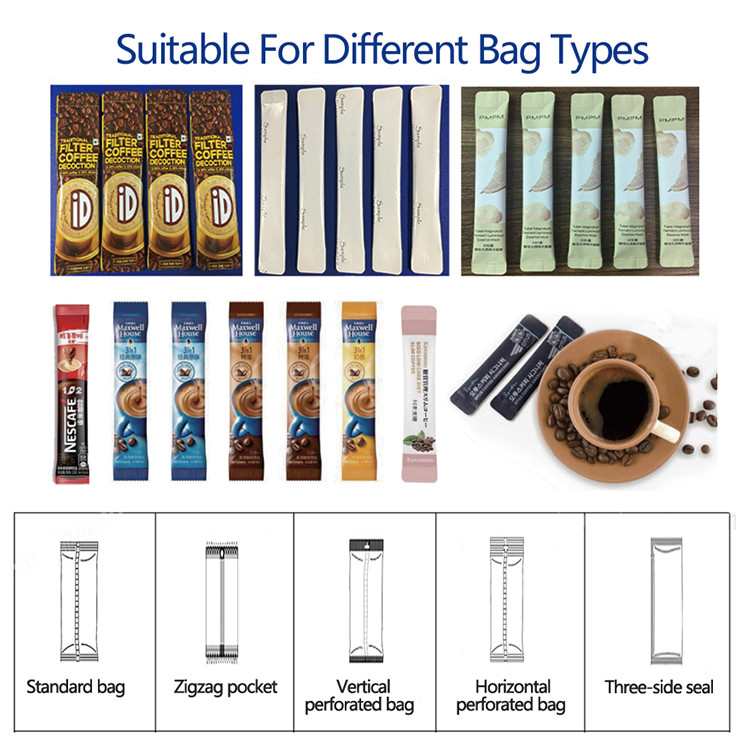
back seal,three sides seal, four sides seal are optional
Machine size
1800L × 1200W × 1500H mm
Machine weight
250-300kgs
Voltage/ power 
380V 50HZ
Machine power 
9Kw
Packaging material
PET/PE, PET/AL/PE
Applicable products
Liquid milk, fruit juice, seasonings and other low-viscosity liquids,different pastes
Material for machine
304 stainless steel 

Disadvantage of Custom Packaging Solutions for complete packaging line


This is a very specific and professional issue. While custom packaging solutions for complete packaging lines offer flexibility and personalized solutions, they also have a series of inherent drawbacks and challenges. The following are their main disadvantages, analyzed from multiple dimensions including investment, operation, and technology:

I. High Initial Investment and Costs

* High capital investment: Customized production lines are typically non-standard designs, requiring specialized mechanical design, manufacturing, and integration, making them significantly more expensive than standardized, mature models.

* Long development and commissioning cycle: From requirements confirmation, design, manufacturing to installation and commissioning, the entire cycle can take months or even more than a year, resulting in high time costs.

Many hidden costs: These include design communication costs, material and labor costs for multiple sampling tests, and production downtime costs during commissioning.

II. The Paradox and Limitations of Flexibility

"Customization" may mean "fixation": Although customized for a specific product, once the production line is completed, its adaptability is usually very narrow. If product specifications (such as size, materials, and packaging form) change significantly, the production line may not be able to adapt, requiring further investment in modifications.

Complex Product Changeover Adjustments: Even product switching within a pre-defined range can involve adjustments (such as changing molds, fixtures, and adjusting parameters) that are more complex and time-consuming than standard modular production lines.

III. Technical Complexity and Operational Challenges

Dependence on Highly Skilled Personnel: Operation, maintenance, and troubleshooting require more specialized technicians with in-depth understanding of the mechanical, electrical, and control logic of this specific equipment.

Difficulty in Maintenance and Repair:

Non-standard Spare Parts: Many components are individually manufactured non-standard parts, resulting in long procurement cycles and high inventory costs.

Dependence on Original Suppliers: Maintenance and major repairs heavily rely on production line integrators or manufacturers, potentially leading to slow service response and high costs.

Stability and Reliability Risks: As a "first-of-its-kind" piece of equipment, its stability and reliability under long-term high-load operation have not been widely validated in the market, and the potential failure risk is higher than mature models.

Capacity Bottlenecks: Customized production lines typically have fixed design capacity. If future market demand increases significantly, the production line may become a bottleneck, and upgrades and expansions will be costly and difficult.

IV. Innovation and Technological Risks

Technological Obsolescence Risk: Rapid technological advancements. During the custom development cycle, newer technologies may emerge, rendering the production line no longer the most advanced option upon delivery.

Risks of "Turnkey" Projects: If the supplier lacks experience, design flaws may exist, causing the production line to fail to meet expected performance indicators (such as speed, accuracy, and yield) in actual production, leading to disputes.

V. Business and Strategic Considerations

Return on Investment Risk: The huge upfront investment requires sufficiently large production volumes, product profits, and a stable product lifecycle to amortize. If the product's market performance falls short of expectations, the investment may not be recouped.

Supplier Lock-in Risk: Deep customization binds you to a single supplier, putting you at a disadvantage in future negotiations and service.

Unfavorable Asset Disposal: Highly specialized equipment has extremely low value in the secondary market, and may even be unsellable, with almost zero residual value.

Summary and Recommendations

Customized bagged packaging production lines are a double-edged sword. They are suitable for scenarios where products are highly specialized, standardized production lines cannot meet their needs, market demand is stable, and production volumes are sufficiently large.

Before deciding on customization, a careful assessment is essential:

Requirement Rigidity Analysis: Is it truly impossible to achieve the desired result by modifying or combining existing standard equipment?

Full Lifecycle Cost Accounting: This includes not only the purchase price but also the costs of installation, commissioning, maintenance, spare parts, upgrades, and operation.

Supplier Evaluation: Thoroughly examine the integrator's technical capabilities, industry experience, successful case studies, and after-sales service capabilities.

Contract Management: Clearly define performance metrics (OEE, yield rate, speed), acceptance criteria, intellectual property rights, after-sales service terms, and liability allocation.

Modular Design Considerations: Require suppliers to use standardized modules in customization whenever possible, and reserve interfaces and space for potential future adjustments.

Applicable Products of Custom Packaging Solutions for complete packaging line

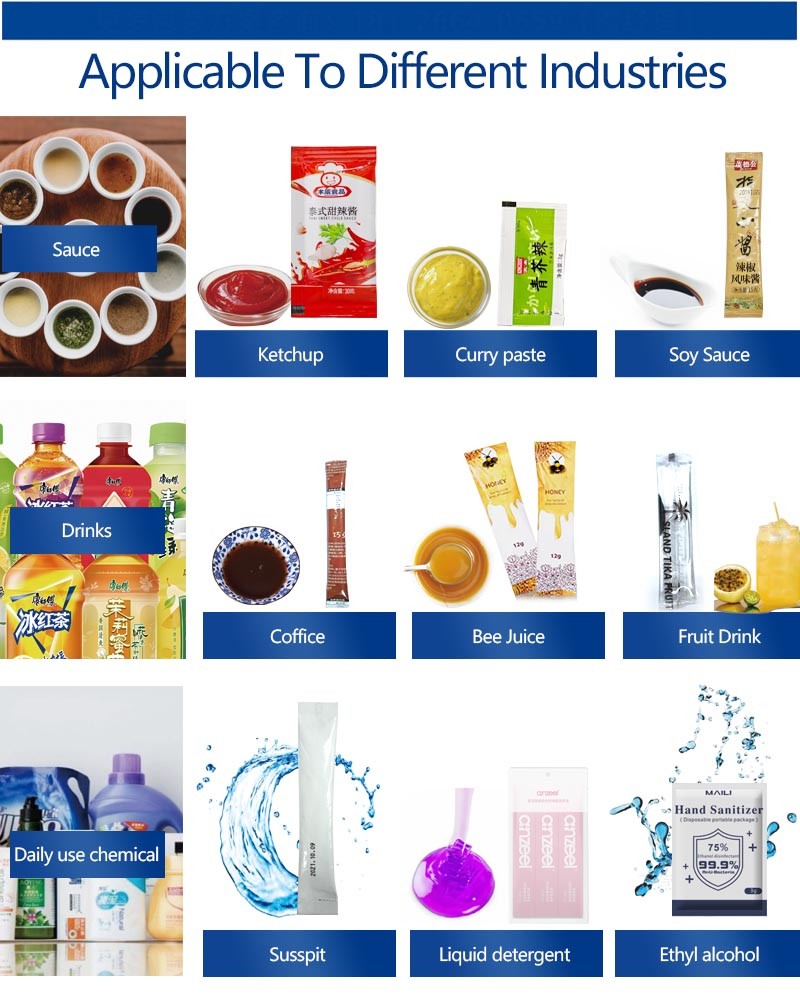
Custom Packaging Solutions for complete packaging line are widely used in different industries.

* Food and Beverages: Snacks, sauces, liquid packaging.

• Daily Chemicals: Shampoo, laundry detergent, cosmetics.

• Pharmaceuticals and Healthcare: Medicine bags, medical device packaging.

• Industrial Sector: Hardware parts, sealed packaging of chemical products etc.
filling machine liquid
automatic bagging  machine

240mm Filling Machine Liquid  Video

Please send your message to us
*Email
Mobile Phone
*Title
*Content
Upload
  • Only supports .rar/.zip/.jpg/.png/.gif/.doc/.xls/.pdf, maximum 20MB.