Food Packaging Solutions

packaging solutions for dairy products are extremely diverse. Different packaging formats and materials can be chosen based on product type, shelf life requirements, consumption scenarios, and sustainability goals. The following is a detailed classification of dairy packaging solutions:
Home / Dairy Packaging Solutions

Key Points First

Key influencing factors:

Product form (blocky/fragmented/powdered/liquid), fragility, oil content, moisture content, ideal shelf life, appearance requirements (transparent window/printing), production capacity (pack/minute), automation level and budget.

Common packaging forms:

Doypack with zipper, pillow package, three-sided/four-sided sealed bag, flow wrap packaging, cup/bowl packaging (cup/peel-lid), small bag (sachet/stick), combination of paper box inner bag.

Common equipment:

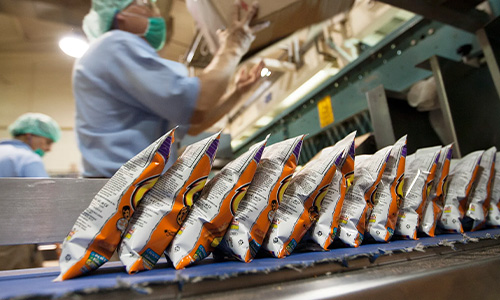
multi-head scale + VFFS (vertical bagging filling sealing), horizontal flow packaging machine, vertical powder lock machine/screw quantitative machine, cup-type filling sealing machine, pillow packaging machine, bag-in-box sealing machine, pillow/bag nitrogen filling device, vacuum/modified atmosphere (MAP), metal detection/X-ray/weight verification, automatic boxing and palletizing.

Recommended Packaging Forms and Equipment
by Product Category

1.Liquid Milk (White Milk, Recombined Milk)

Tetra Pak (Aseptic Brick/Pillow):

The most common solution. Made from a multi-layer composite of cardboard, polyethylene, and aluminum foil, it effectively blocks light, oxygen, and microorganisms, achieving a long shelf life (several months) without the need for preservatives or refrigeration.

Gable-Top Box (Fresh House):

Typically constructed from cardboard with a plastic inner film, it resembles a small house. It is primarily used for pasteurized milk that requires refrigeration and has a shorter shelf life (7-21 days), but it better preserves the fresh milk flavor.

Glass Bottle:

A traditional and environmentally friendly packaging option that is recyclable and reusable. It is primarily used for pasteurized milk delivered locally or for premium brands, ensuring the product's authentic flavor, but is heavy and fragile.

Plastic Bottles (HDPE/PET):

HDPE (High-Density Polyethylene): Opaque, commonly used for large-volume (over 1 liter) pasteurized or UHT milk. Lightweight and unbreakable.

PET (Polyethylene Terephthalate): Transparent or translucent, commonly used for ready-to-drink flavored milk and functional beverages. Attractive appearance and good display.

Contact Experts for Liquid Milk Solutions

2. Yogurt and Fermented Dairy Products

Plastic Cups (PS/PP):

PS (Polystyrene): Rigid, commonly used for stirred and set yogurts that require refrigeration.

PP (Polypropylene): Better heat resistance, suitable for hot-fill or pasteurized yogurt, as well as for microwaveable dessert yogurts.
Often sealed with aluminum foil or plastic film and a plastic cap for multiple uses.

Glass bottles:

Used for high-end, natural, or regional yogurt, offering a premium feel and recyclability.

Tetra Prisma/Combibloc:

Used for sippable yogurt or lactic acid bacteria beverages, convenient for portability and drinking.


Contact Experts for Yogurt and Fermented Dairy Products Solutions

3. Butter and Cheese

Butter:

Aluminum foil or polyvinyl chloride wrapping: Traditional packaging method, effectively blocking light and air to prevent oxidation.

Plastic boxes (PP/PS): A common modern packaging method with a resealable lid for easy access and storage.

Cheese:

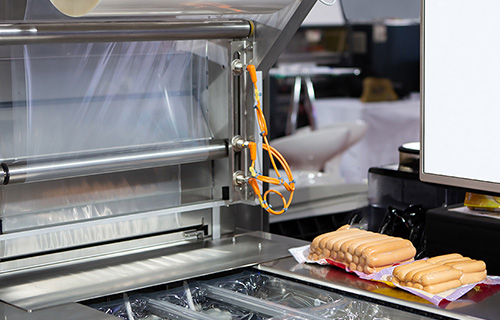
Hard cheese: Often vacuum-shrink-wrapped (multi-layer composite plastic film) to isolate oxygen and prevent spoilage and mold.

Soft/fresh cheese: Often packaged in plastic cups, boxes, or blister packs, sometimes filled with an inert gas (such as nitrogen) to extend shelf life.
Processed cheese: Often individually packaged (in slices or sticks) in aluminum foil or plastic film for easy portability.


Contact Experts for Butter and Cheese Solutions

4. Milk Powder

Metal Cans:

Offer the best moisture and gas barrier properties and are used for high-end infant formula and nutritional milk powder.

Aluminum Foil Composite Bags:

The most common packaging, lower in cost than metal cans, offer excellent moisture and oxygen barrier properties. They are often placed inside a paper box as an outer protective layer.

Vacuum Packaging/Nitrogen Filling:

Vacuuming or filling with nitrogen during packaging significantly prevents fat oxidation and preserves the freshness of the milk powder.

Contact Experts for Milk Powder Solutions

Auxiliary and quality inspection equipment (essential)

  • Nitrogen/air conditioning system (MAP), vacuum packaging machine (for certain high-end/special requirements), vacuum-nitrogen combined machine.

  • Metal detector, X-ray machine (for detecting foreign objects), online weighing machine, visual inspection (sealing, labels), inkjet printer (batch/date), label labeling machine.

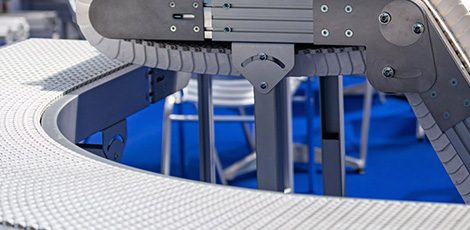
  • Automated conveying, buffering, counting stacking machine, packing machine, sealing machine, pallet stacking machine.

Packaging Materials and Sustainability

Common materials:

PET/PA/PE, CPP, aluminum foil composite, paper composite, etc.

Sustainable direction:

Single-material recyclable film (PE/PP series), ink/washable ink, bio-based or compostable packaging (but actual recycling/industrial composting conditions need to be confirmed), paper-based window + PE inner membrane.

Note:

Barrier requirements. A balance needs to be struck or inner barrier treatment should be applied.

Health and Regulations

Food contact materials must have corresponding food safety certifications (as stipulated by the country/region); equipment must be designed in accordance with GMP/HACCP standards, easy to clean, free of accumulated materials, and resistant to cross-contamination; for high-oil products, convenience for cleaning and considerations for explosion-proof/dust-proof are also necessary.Selection decision checklist (before purchasing equipment)
Product properties:
  • Particle size, friability, viscosity/oiliness, dust content.
  • Target packaging form and appearance (whether with transparent window, zipper, tear-off opening, composite structure).
  • Target production capacity (packages/minute or per hour), shifts and automation level.
  • Target shelf life and required protective measures (nitrogen filling, oxygen absorber, vacuum).
  • Plant conditions (space,height,electricity,gas source),budget,availability of after-sales/spare parts.
  • Flexibility for future expansion or product changeover.

Typical Configuration Examples

Low Production Capacity

Small-scale startups/low production capacity

Desktop or semi-automatic multi-head scales + desktop vertical forming and sealing machine (VFFS small type) / pillow packaging machine, manual packaging / manual boxing, basic inspection (jet printing + metal detection).

medium production capacity

Medium-sized

Multi-head scales (10-14 heads) + medium-speed VFFS (can be used for doypack / pillow packaging) or horizontal flow packaging machine, nitrogen filling system, weighing and metal detection, automatic boxing machine.

large factories

Large-scale/high automation

Parallel multi-line multi-head scales + high-speed VFFS / vertical and horizontal composite line, automatic feeding system, automatic bagging / palletizing, X-ray + online weighing, MES / production line integration, high-speed cup and tray complete line (serving bowls - feeding - sealing - labeling - inspection - boxing).

Contact Us Today for Professional Solutions.

Fame Machinery is a trusted manufacturer of automated packaging machinery. You can confidently tell us your needs; our experienced engineers will help you win customers' favor for your products and brand.