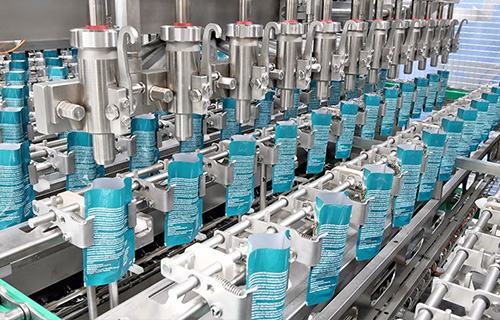
Beverage Packaging Solutions

Here is a comprehensive overview of beverage (milk, juice, tea, etc.) packaging solutions: covering common packaging forms, key requirements for processes/hygiene, types of packaging equipment and accompanying auxiliary equipment, and providing selection suggestions based on production capacity. Finally, an inquiry information list for customized configuration is attached.
Home / Beverage Packaging Solutions

Key Points First

Key factors influencing product selection:

Whether the product needs to be stored at room temperature / refrigerated, whether it needs to be sterile (UHT/sterile filling), whether it is carbonated, viscosity / particulates, whether there is a requirement for heating during filling, target packaging form and production capacity.

Common packaging forms:

Paper boxes (Reylo type/Tetra Pak), PET/HDPE bottles (blow molding + filling + cap sealing), glass bottles, aluminum cans, cups/bowls, bagged / spouted pouches and Bag-in-Box.

Typical equipment:

Homogenizer / separator / pasteurization / ultra-high temperature (UHT) sterilizer, sterile / room temperature filling machines, hot filling machines, metering pumps and reciprocating / plunger / gravity / rotary valve filling machines, blow molding machines, rotary / linear filling and capping combination machines, automatic box sealing / labeling / shrink wrapping, CIP system.

Key processes and recommended equipment
by Product Type

1.Milk (fresh milk, pasteurized milk, UHT/room temperature milk, yogurt drinks)

Key process points:

homogenization and pasteurization (HTST or UHT), aseptic filling (for room temperature milk), cold chain management (fresh milk); microbial contamination control.

Common packaging and equipment:

Carton (long-term preservation/room temperature): UHT treatment + aseptic carton filling machine (Tetra Pak/Reylo aseptic line); requires an aseptic pre-sterilization system (H2O2 or heat) and an aseptic environment.
PET/HDPE bottle (refrigerated or short-term preservation): homogenization + pasteurization followed by cooling → rotary or straight-line bottle washing - filling - capping machine (monoblock) + labeling. PET bottles require a blow molding machine (SBS/IB) or purchased bottles.

Yogurt drinks in cups:

filling - sealing machine (hot sealing or welding) + shrink/labeling. Thick liquids are metered by piston/needle pumps.

Required equipment:

dairy homogenizer, heat exchanger (pasteurization/HTST/UHT), aseptic valves and pipelines, CIP system, cold chain/cooling storage.

Contact Experts for Milk Solutions

2.Juice (cold-pressed, concentrated mixed, hot filling/room temperature juice)

Key process points:

microbial control (pasteurization/sterile filtration), degassing/defoaming, oxidation control (nitrogen replacement), concentration-reduction process.

Packaging and equipment:

Hot filling PET bottles/bottles/glass bottles/cartons: hot filling machine + shrink tunnel (forming) + cooling; for juice, need degassing and nitrogen filling/stripping steps.
Aseptic room temperature carton: UHT + aseptic carton filling line.
Room temperature bottled: aseptic filling machine (aseptic rotary/inline) or non-aseptic cold chain filling (gravity filler/piston filler) depending on the preservation method.

Granular/powdered beverage:

use large-diameter filling valves or piston pumps to avoid clogging; special feeding is required if containing particles or fruit residues.

Auxiliary equipment:

degassing machine, vacuum/negative pressure defoaming, nitrogen replacement system, microfiltration/ultrafiltration system.

Contact Experts for Juice Solutions

3.Tea drinks (including hot and cold brewed tea, tea beverages with residue, functional tea)

Key points:

flavor retention, color and oxidation control, special feeding required if containing particles or fruit residues. Cold chain or room temperature depending on the formula.

Packaging and equipment:

similar to juice: PET/bottles/glass bottles/cup. Use piston filling for thick liquids, vibration anti-bubbling device, bottle bottom stirring (if needed).
Choose suitable heat-resistant packaging materials for high-temperature sterilization or hot filling.

Common packaging forms and corresponding machine types (overview)

PET/HDPE Bottling: Blow molding machine (SBS or ISBM) → Bottle washing machine → Filling machine (rotary or linear: gravity/ negative pressure/ isobaric/ piston) → Capning machine/Sealing machine → Labeling/Contraction → Weight inspection/Metal detection → Packaging.
Glass Bottling: Bottle washing → Filling (rotary) → Cap or Sealing → The processes before and after washing are the same as above. The speed of glass bottle line is usually lower than PET.
Aluminum Bottling: Mold making/Loading into bottle → Filling (isobaric/nitrogen filling) → Sealing machine → Pasteurization or sterilization (if necessary) → Contracting and wrapping/Boxing.
Paper Box (sterile/normal temperature): UHT or sterilization after → Sterile paper box filling and sealing machine (vertical or horizontal) → Labeling/Stamping batch number.
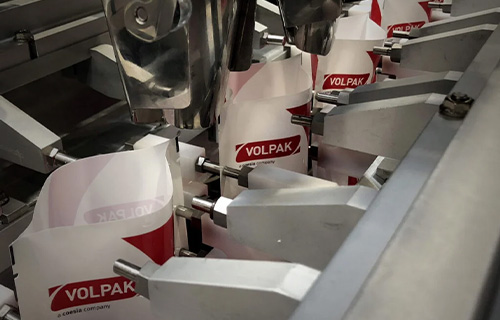
Soft Packaging/Nozzle Bags: FFS (form-fill-seal) nozzle bag machine or prefabricated bag filling and sealing machine.
Cup/Seal Cap: Cup supply → Filling → Seal film → Heat contraction or label application.


Contact Experts for Tea Drinks Solutions

Filling method selection points (according to product characteristics)

Room temperature long-term preservation (UHT/sterilized):

Must select sterile/sterilized transportation and sterile filling system (rotating sterile filling machine or hierarchical sterile system).

Hot filling (juices/tea beverages):

Requires heat-resistant materials and hot filling equipment, as well as the rear heat shrink/cooling section.

Cold filling (fresh milk, chilled beverages):

Commonly use closed pasteurization post-cooling, and adopt cold chain filling (gravity/constant pressure/piston).

Contact Experts for Packaging Solutions

Auxiliary and quality control equipment

  • Homogenizer, centrifugal separator (for dairy products), UHT/HTST pasteurization equipment, ultrafiltration/micropurification, degassing/defoaming machine, homogenizer.

  • CIP/SIP cleaning and disinfection system, aseptic testing and microbial monitoring, dissolved oxygen/CO2 monitoring, online temperature/pressure/flow sensors.
    Bottle cap sterilization (H2O2/warm water/UV), gas replacement (N2/CO2), nitrogen generation/air storage system.

  • Labeling machine (dry label/embossed label/shrink label), inkjet printer, automatic box filling/sealing, pallet stacking.
    Online metal detection/X-ray (mainly for detecting foreign objects), weighing machine, visual inspection (filling liquid level, label position, lid completeness).

Sustainability and packaging material suggestions

Common materials:

PET recycling (rPET), lightweight bottles, single-material recyclable solution, paper-based card cases (note: barrier properties), reusable glass bottle recycling system. Note: The recycling rate of sterile cartons and composite films needs to be considered in the recycling processing chain.

Selection decision checklist (please confirm before selecting equipment)

Product attributes: Whether it is carbonated, viscosity, whether it contains particles, whether it needs to be sterile/kept at room temperature, whether it needs homogenization or separation.
Target packaging form (bottle/can/carton/syringe package/cup) and capacity (ml/bottle).
Target production capacity (bottles/minute or total daily quantity).
Budget and factory conditions (usable height, electricity, gas source, cold water/steam).

Note:

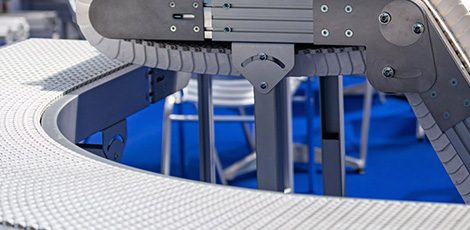
Whether it needs automated integration (conveyor line, packaging, palletizing, MES).
Sustainability/material priority (rPET/paper-based/glass).

Health and Regulations

Food contact materials must comply with local regulations (food-grade stainless steel, food safety certification); equipment design should be easy to clean, without dead corners, and meet GMP/HACCP/ISO requirements. The aseptic line needs to strictly control personnel and material flow.


Recommended configuration based on production capacity (brief)

Low Production Capacity

Small-scale startups/low production capacity

Semi-automatic or small bench-top filling (manual/hand-operated piston or gravity filling machines) + manual labeling/sealing.

medium production capacity

Medium-sized

Medium-speed rotary filling/capping unit (monoblock or multiple parallel units), automatic labeling, automatic packing line, basic CIP.

large factories

Large-scale/high automation

High-efficiency integrated bottle blowing-washing-filling-rotating unit, sterile UHT + sterile filling line or high-speed pressure equalization filling line, fully automatic packing and stacking, MES/SCADA integration.

Contact Us Today for Professional Solutions.

Fame Machinery is a trusted manufacturer of automated packaging machinery. You can confidently tell us your needs; our experienced engineers will help you win customers' favor for your products and brand.