what are the features of aseptic packaging machines ?
I. Core Technologies and Process Characteristics
Aseptic Packaging Technology
Ultra-High Temperature (UHT) Sterilization: The contents and packaging materials (Tetra Pak bricks/Tetra Pak pillows) are sterilized at a flash high temperature before filling, allowing for long-term storage at room temperature (typically several months or even over a year) without the need for preservatives.
Aseptic Filling Environment: Hydrogen peroxide sterilization and high-temperature hot air drying ensure the filling process takes place in a sealed, aseptic environment, preventing secondary contamination.
Multi-Layer Composite Material Packaging
Typical structure: Polyethylene/cardboard/aluminum foil/polyethylene (6-7 layers), effectively blocking light, oxygen, and microorganisms, preserving product nutrition and flavor.
Lightweight and recyclable packaging materials, in line with environmental trends (e.g., Tetra Pak's "paper-based packaging").
High-Efficiency Automated Production
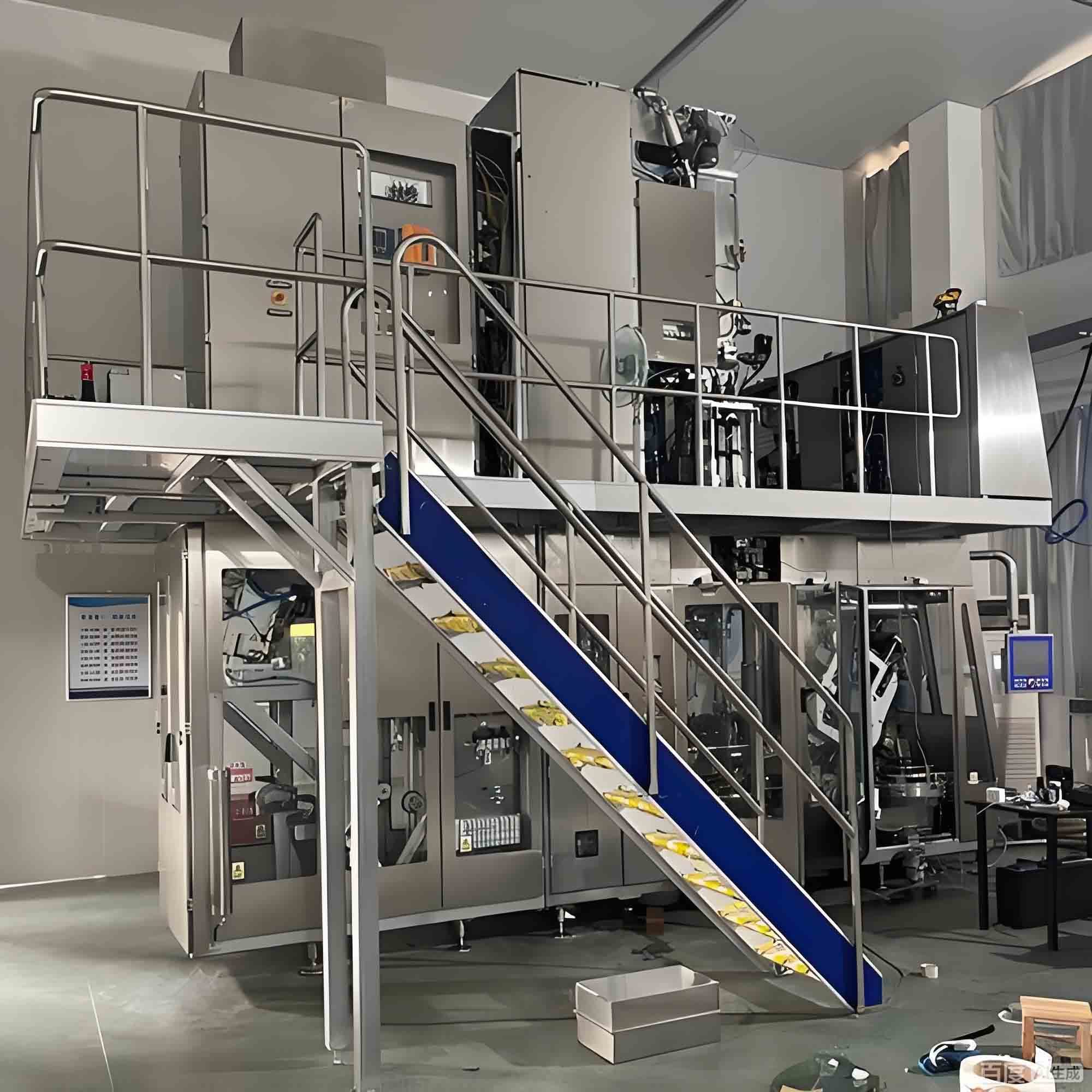
Integrated Design: Fully automated from roll forming and filling to sealing and palletizing, with production line speeds reaching thousands of packs/hour (e.g., Tetra Pak A3 filling line up to 24,000 packs/hour).
Intelligent Control: Real-time monitoring of parameters such as temperature, liquid level, and sealing quality via sensors and a PLC system ensures production stability.
II. Product Types and Applicability
Diverse Packaging Forms
Tetra Pak Bricks: Square structure, space-saving, suitable for various capacities (e.g., 250ml, 1L).
Tetra Pak Pillows: Low cost, lightweight, suitable for the mid-to-low-end market.
Tetra Pak Crowns: Screw cap design, easy to open multiple times.
Tetra Pak Diamonds: Octahedral design, positioned for the high-end beverage market (e.g., juice, plant-based protein drinks).
Wide Application Areas
Covering milk, juice, tea drinks, plant-based protein drinks, liquid condiments, etc.
Filling processes can be adjusted according to product characteristics (e.g., beverages containing particles, high-viscosity products).
III. Economic and Environmental Advantages
Low Operating Costs
Lightweight packaging materials reduce transportation and storage costs.
High-efficiency production reduces manual intervention and improves capacity utilization.
Sustainable Development
Approximately 70% of the packaging uses cardboard sourced from FSC-certified sustainable forests.
Offers recycling solutions (e.g., producing recycled boards, paper raw materials).
IV. Service and Technical Support
Global Supply Chain System
Provides full-cycle services from equipment installation and training to maintenance.
Remote diagnostic systems enable rapid response to equipment malfunctions.
Customized Solutions
Adjust packaging design, capacity, and production line configuration according to customer needs.
V. Limitations
High Equipment Investment: High upfront production line costs, suitable for large-scale production.
Strong Material Dependence: Requires Tetra Pak's proprietary packaging materials, resulting in deep supply chain integration.
Environmental Controversy: Aluminum-plastic composite layer recycling requires specialized processing; recycling systems are still underdeveloped in some regions.
Summary
Tetra Pak packaging machines, with their core advantages of aseptic technology, materials science, and automation efficiency, have become the mainstream choice in the liquid food industry. Despite cost and environmental challenges, their value in food safety, extended shelf life, and large-scale production is widely recognized. For large dairy or beverage companies seeking long-term stable production, Tetra Pak systems offer a significant competitive advantage.