What Is Industry Packaging?
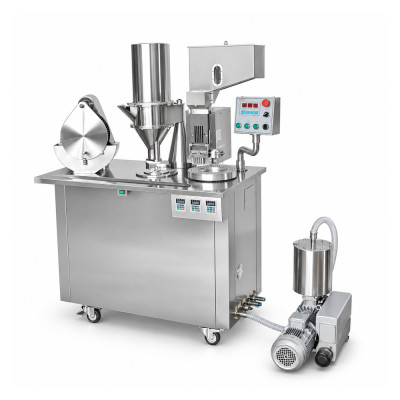
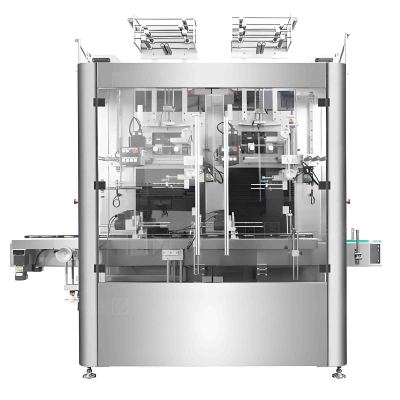
Industry packaging refers to packaging systems and processes designed to protect, store, transport, and present products throughout the manufacturing and supply chain. Unlike consumer packaging, industry packaging focuses on efficiency, durability, product safety, and cost reduction while supporting large-scale production.
Today, manufacturers across food, beverage, pharmaceutical, chemical, cosmetic, and consumer goods industries rely on advanced industry packaging machine solutions to improve productivity and maintain consistent packaging quality. Automated packaging equipment helps businesses reduce labor costs, increase output, and meet international packaging standards.
Key Features of Modern Industry Packaging
Successful industry packaging combines product protection with efficient manufacturing. Several features are essential for achieving reliable packaging performance.
Product Protection
The primary purpose of industry packaging is to protect products from moisture, dust, vibration, contamination, and physical damage during storage and transportation. Proper packaging extends shelf life and minimizes product loss.
High Production Efficiency
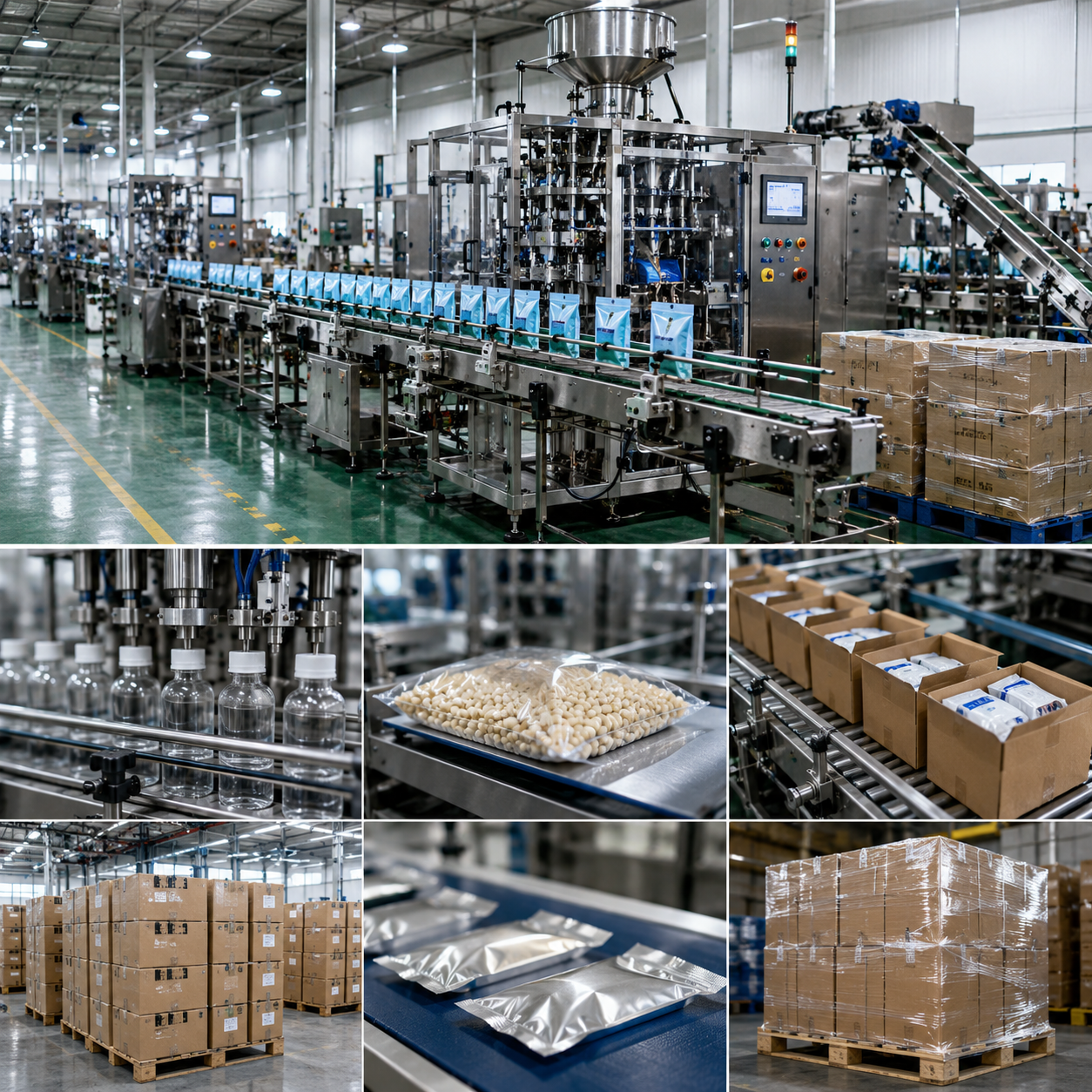
Modern industry packaging machine systems automate filling, sealing, labeling, and packing processes. Automation enables manufacturers to achieve faster production speeds while maintaining consistent packaging quality.
Flexible Packaging Solutions
Different products require different packaging styles. A professional industry packaging solution can support sachets, pouches, bottles, cans, cartons, and other packaging formats while accommodating various product sizes and production capacities.
Regulatory Compliance
Many industries must follow strict packaging regulations. Reliable industry packaging machine equipment helps manufacturers meet hygiene, safety, and quality standards required in domestic and international markets.
Common Types of Industry Packaging
Different stages of the supply chain require different forms of industry packaging.
Primary Packaging
Primary packaging comes into direct contact with the product. Examples include sachets, bottles, jars, tubes, and stand-up pouches. This packaging protects product quality while providing essential information to end users.
Secondary Packaging
Secondary packaging groups multiple products together for easier handling and retail display. Cartons, shrink-wrapped bundles, and display boxes are common examples.
Tertiary Packaging
Tertiary packaging is designed for transportation and warehouse logistics. Pallets, stretch wrapping, crates, and corrugated shipping cartons protect products during long-distance shipping.
Why Businesses Invest in Industry Packaging Machines
An advanced industry packaging machine provides significant advantages for manufacturers seeking to improve operational efficiency.
Lower Operating Costs
Automation reduces manual labor, minimizes product waste, and increases production consistency, resulting in lower overall manufacturing costs.
Improved Product Quality
Accurate filling, reliable sealing, and consistent packaging appearance help manufacturers maintain product quality and strengthen customer confidence.
Increased Production Capacity
High-speed industry packaging machine solutions allow factories to produce thousands of packages per hour while maintaining precision and stability.
Better Brand Image
Professional packaging enhances product presentation, making products more attractive to distributors, retailers, and consumers while reinforcing brand recognition.
Choosing the Right Industry Packaging Machine
Selecting the right industry packaging machine depends on several important factors.
● Product type (liquid, powder, granule, paste, or solid)
● Packaging format (sachet, pouch, bottle, can, carton, or cup)
● Required production speed
● Filling accuracy
● Automation level
● Future production expansion
● Maintenance and technical support
Working with an experienced packaging equipment manufacturer ensures the machine configuration matches current production needs while allowing room for future growth.
Sustainable Trends in Industry Packaging
Environmental responsibility is becoming increasingly important in industry packaging. Manufacturers are adopting recyclable materials, lightweight packaging designs, and energy-efficient production equipment to reduce environmental impact.
Modern industry packaging machine technology supports sustainable manufacturing by reducing material waste, improving sealing efficiency, and optimizing packaging material consumption.
Many companies are also integrating smart production systems that monitor equipment performance in real time, helping improve efficiency while lowering operating costs.
The Future of Industry Packaging
As manufacturing continues to evolve, industry packaging is becoming more intelligent, flexible, and automated. Artificial intelligence, IoT monitoring, servo-driven control systems, and robotic automation are transforming packaging production lines.
Businesses investing in modern industry packaging machine solutions can improve productivity, maintain consistent quality, reduce operational costs, and stay competitive in today's global marketplace.
Whether producing food, beverages, pharmaceuticals, cosmetics, or industrial products, selecting the right industry packaging solution is essential for long-term manufacturing success.